Mohs Surgery (Micrographic)
Mohs or Microscopically Controlled Surgery
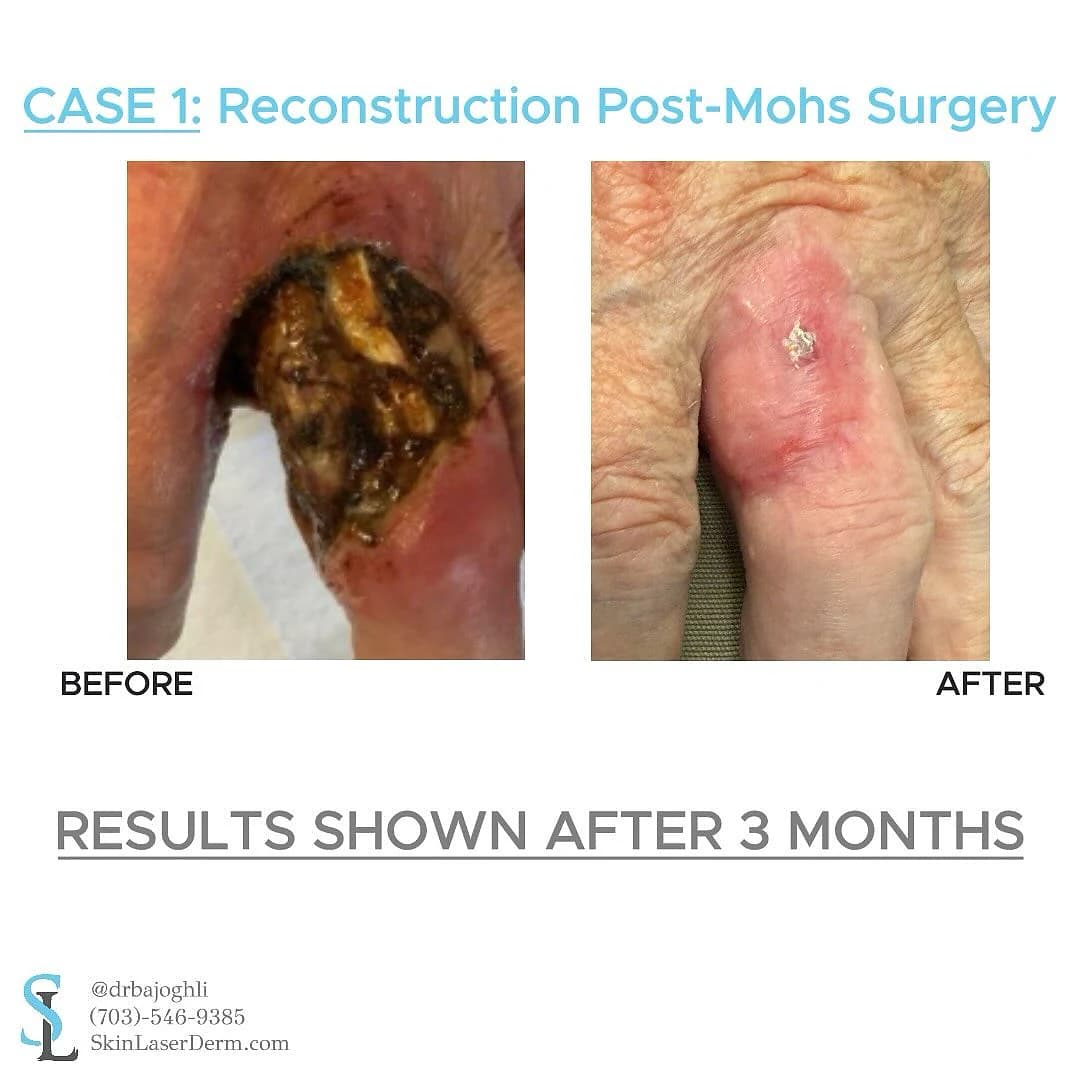
Mohs surgery was developed by Dr. Frederick Mohs in the 1940’s as a more precise way to remove skin cancers.
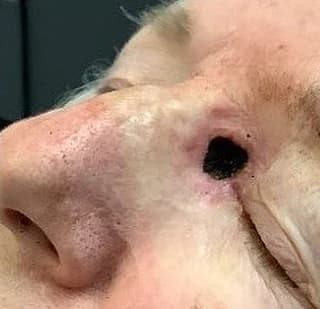
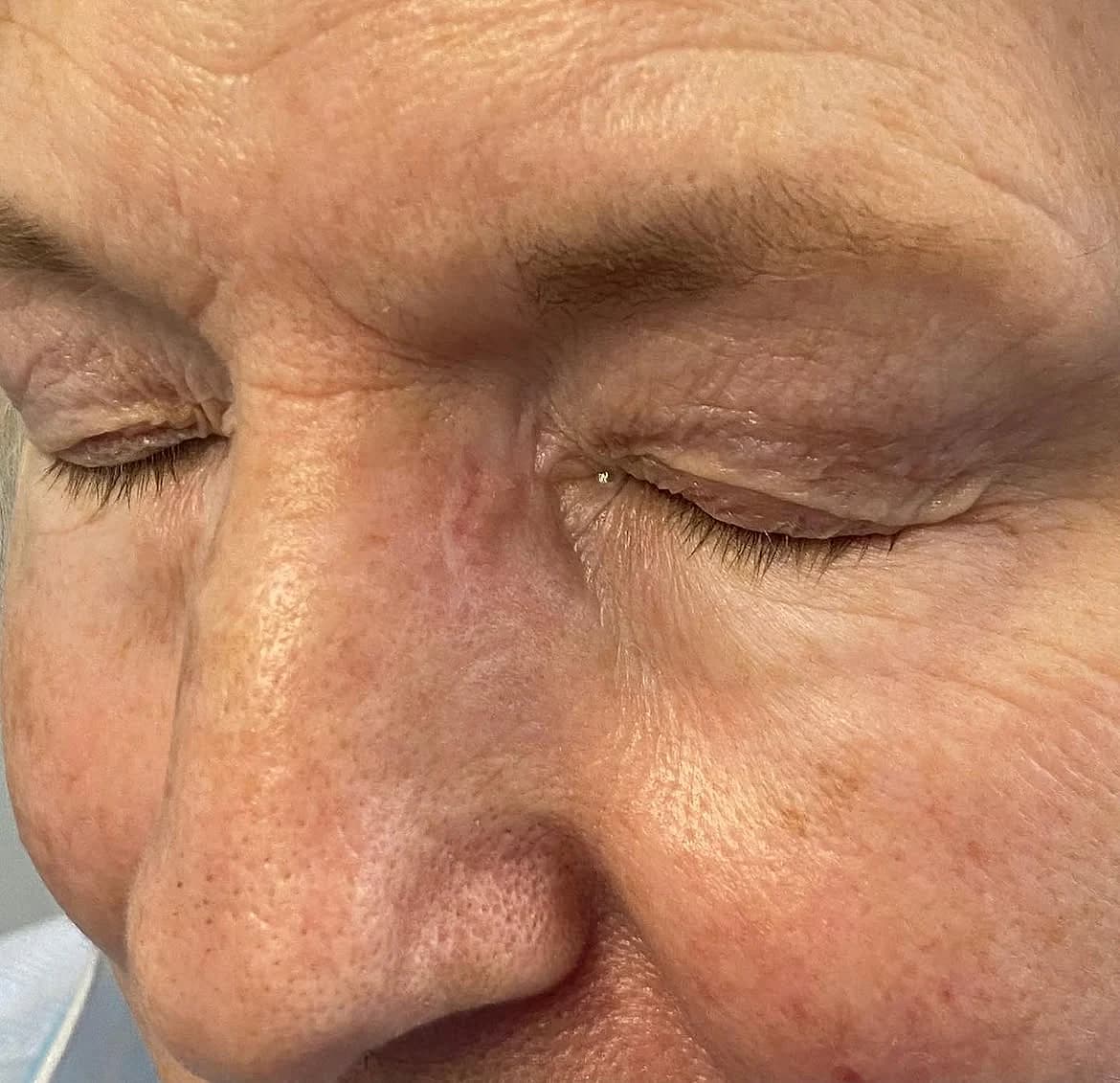
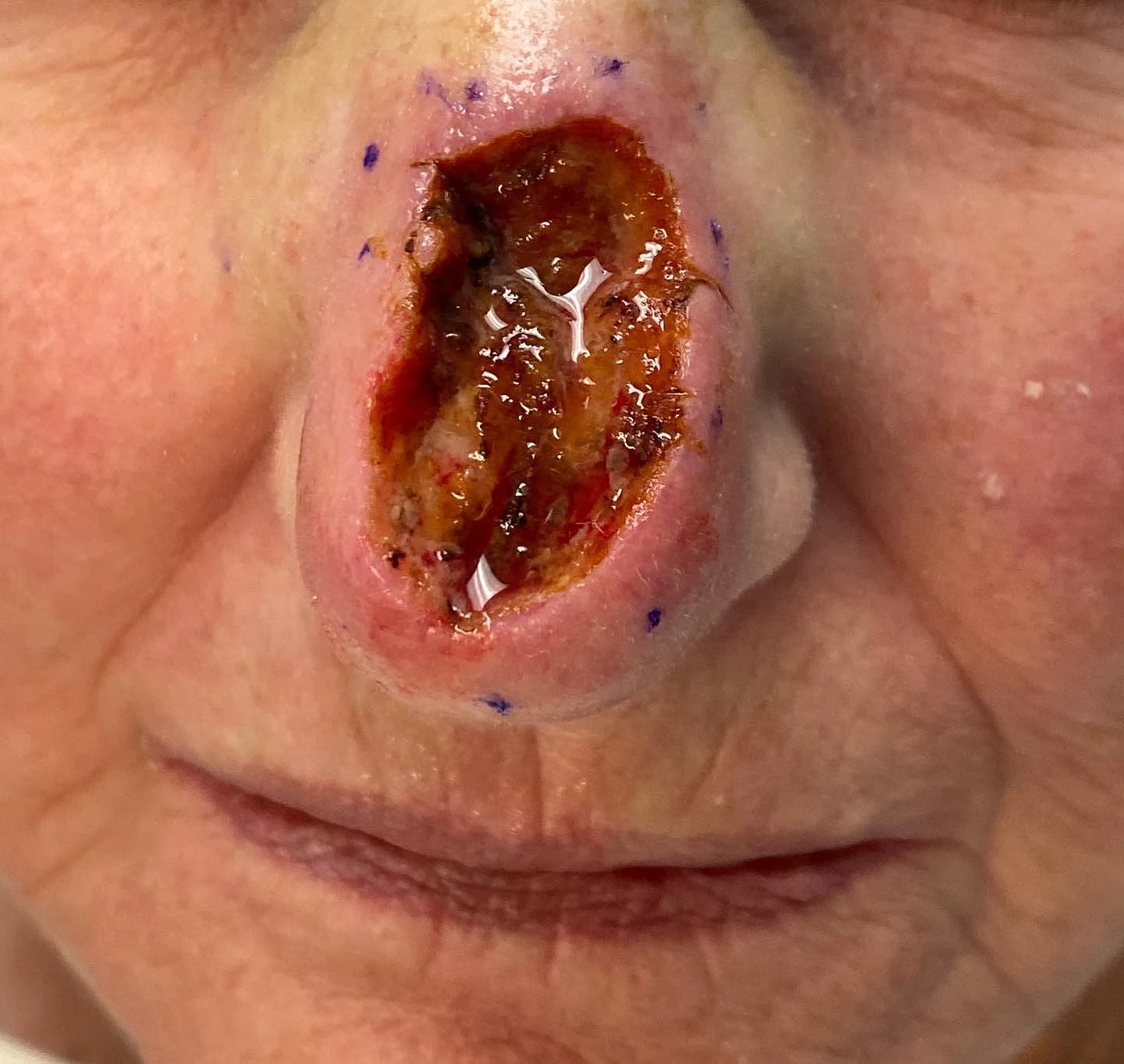
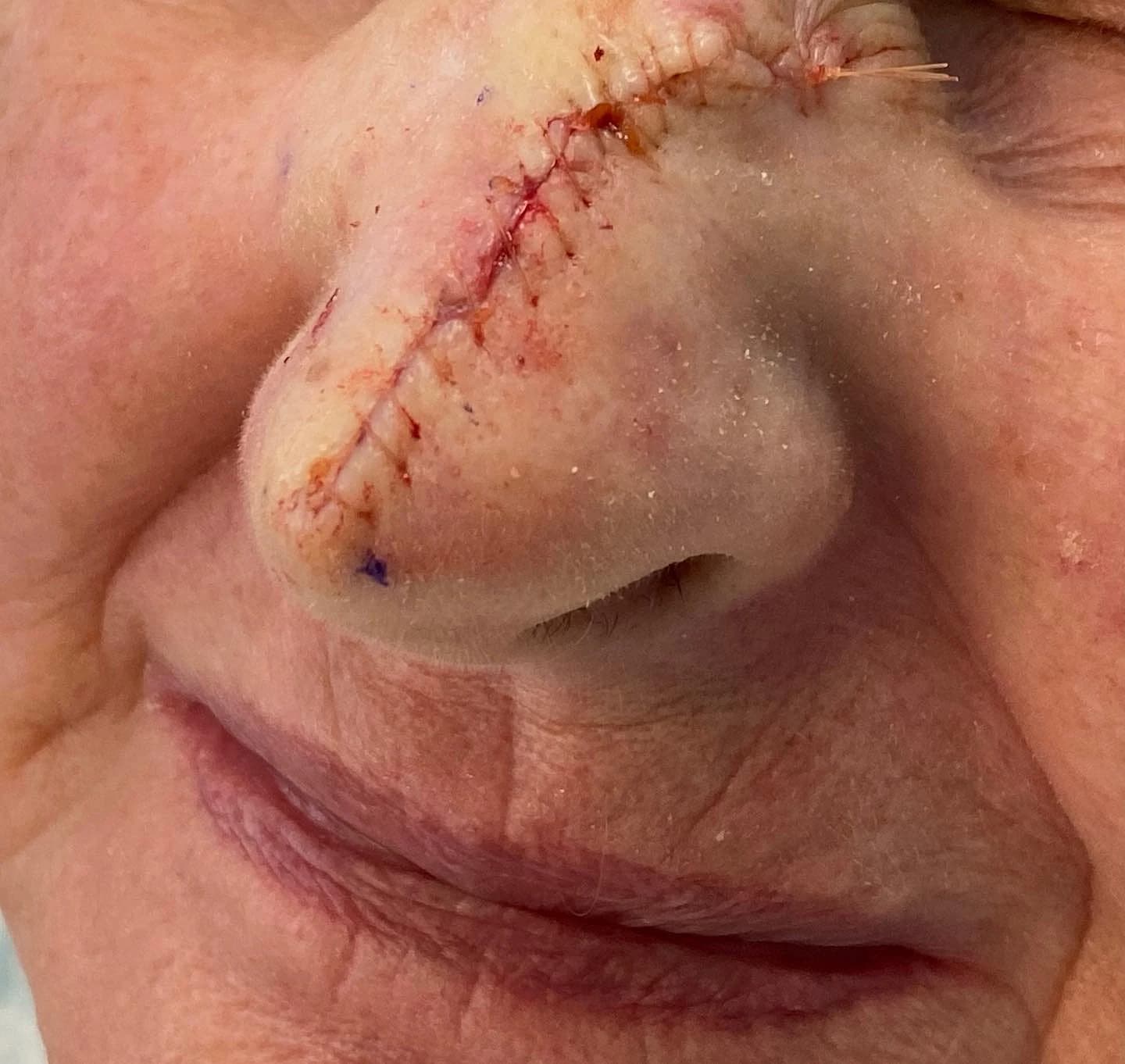
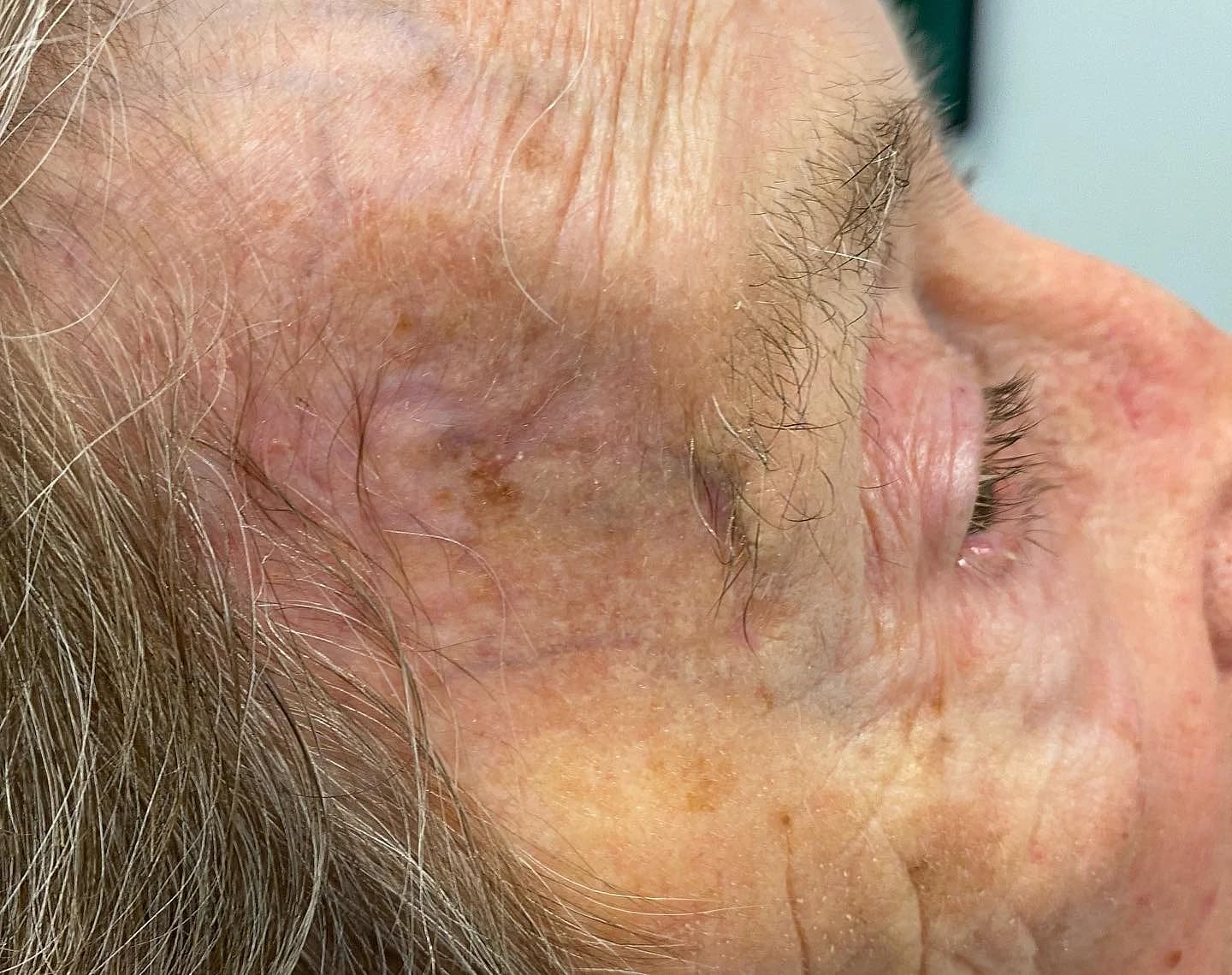
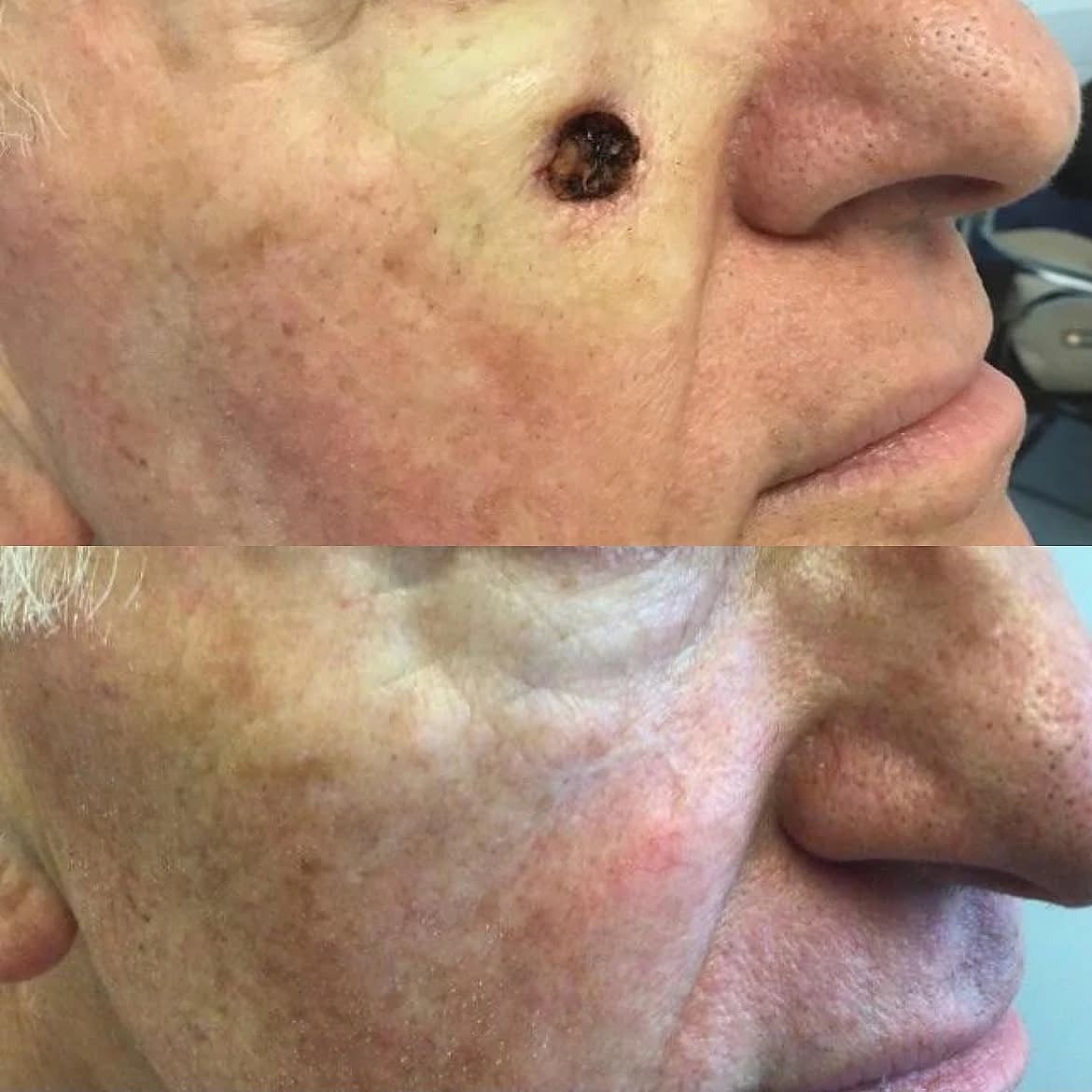
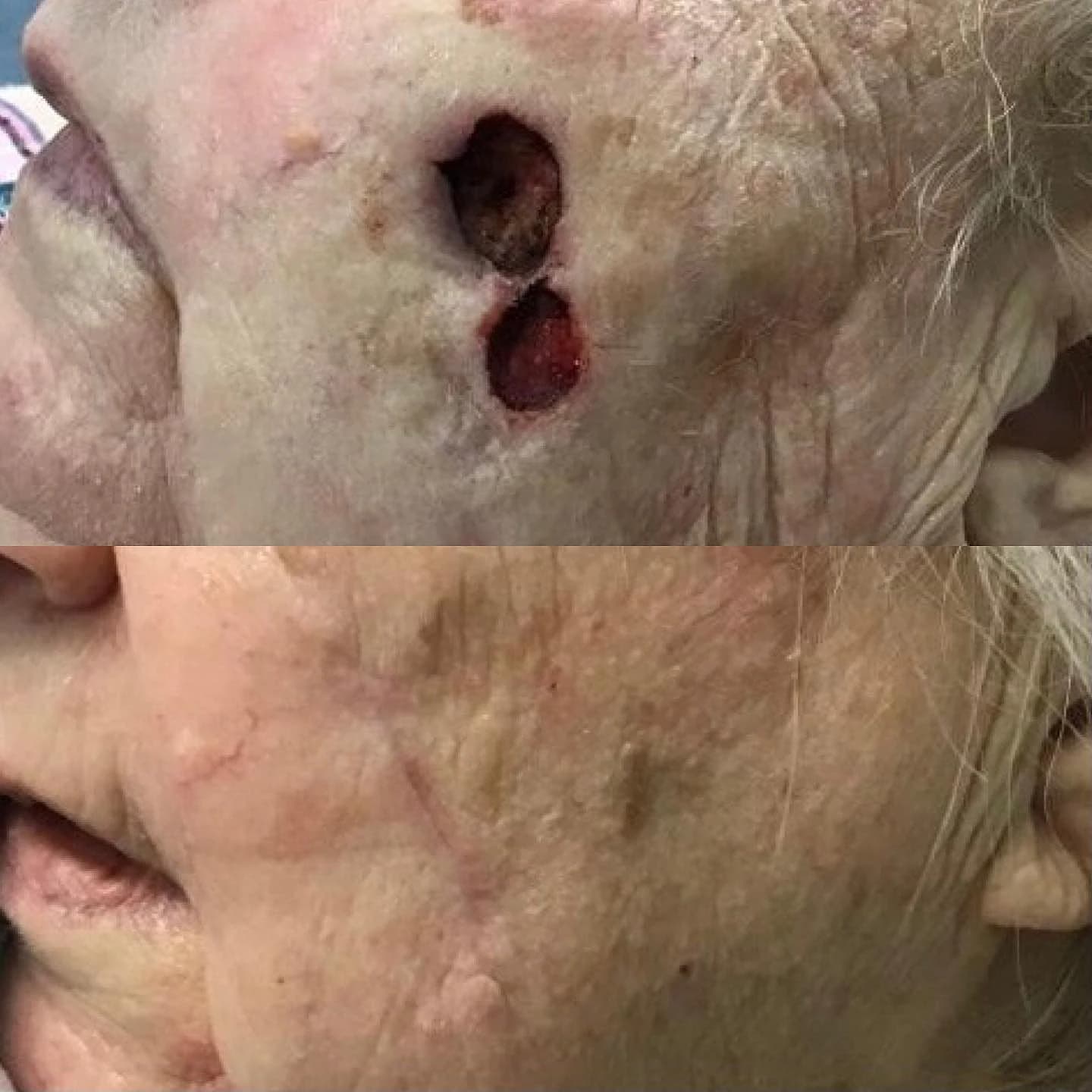
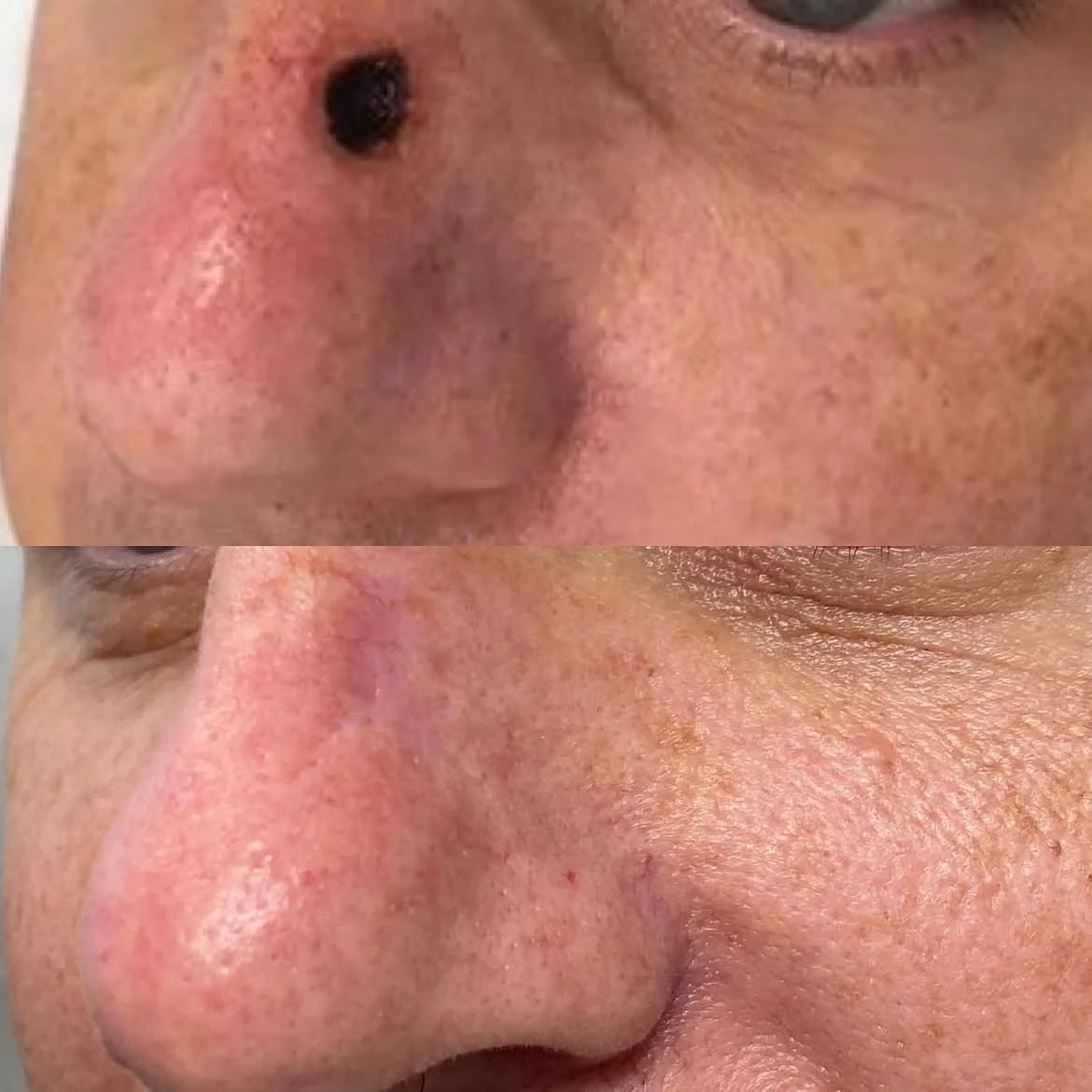
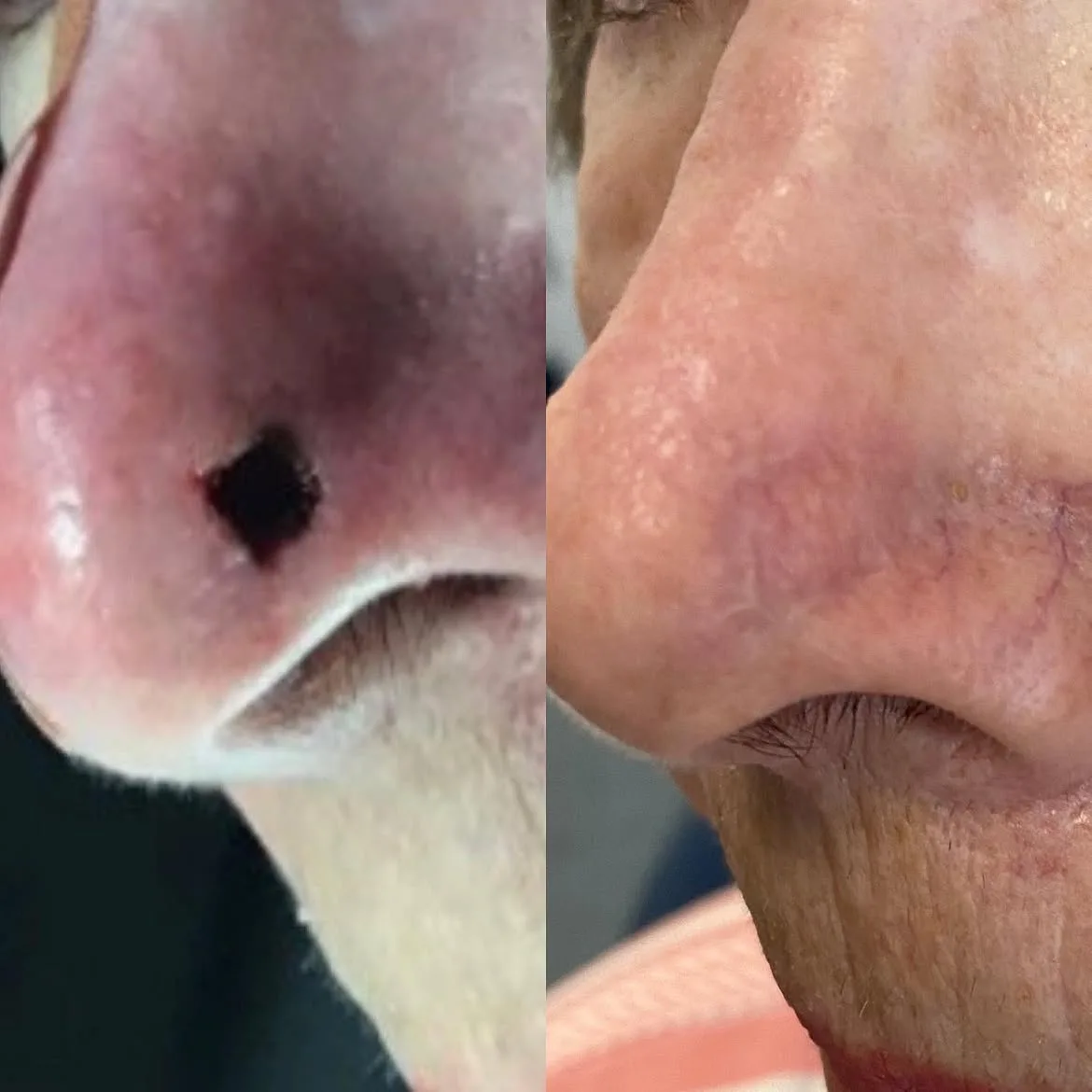
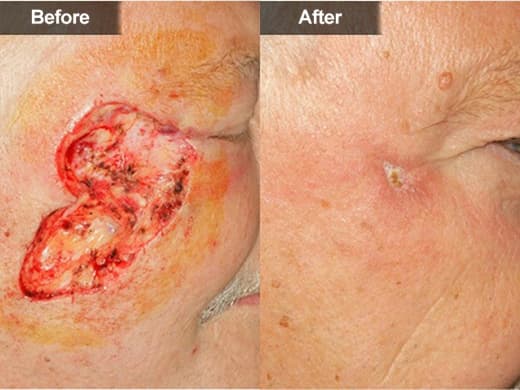
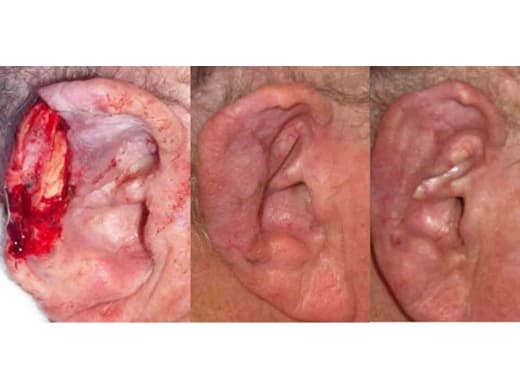
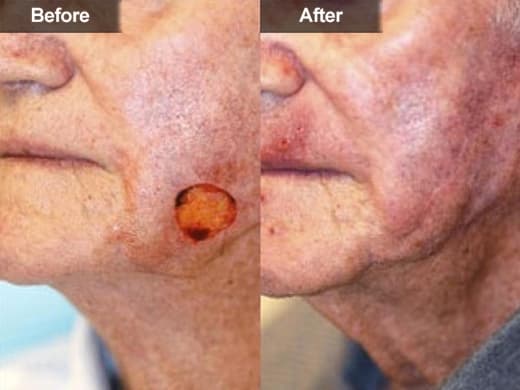
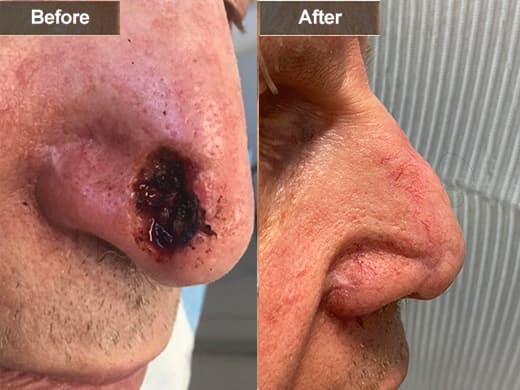
Originally, chemicals were applied to the skin and the entire surgical procedure could take several days. The technique has been refined over the years to the point where the skin cancer is now removed and examined under the microscope for any remaining tumor almost immediately. The basic principle behind the Mohs’ technique is to remove the entire skin cancer without taking any more normal skin than is absolutely necessary. Often times what can be seen on the skin surface only represents a part of the actual skin cancer. “The tip of the iceberg” so to speak. We can not see the “roots” of the skin cancer that are under and around the skin cancer, the microscope is used to trace out and map the exact extent of the tumor. The surgeon may then remove only the cancerous tissue. This prevents either removing too little, leaving tumors behind to come back or recur (usually larger) in the future, or from removing too much and creating a larger than necessary wound. In essence, the best of both worlds is achieved. The entire skin cancer is removed and as much as possible of the normal skin is preserved. The Mohs’ microscopically controlled technique offers a cure rate of 98-99%, the highest of any technique available.
Since Mohs’ surgery requires higher trained personnel, and can be time consuming, it is reserved only for certain cases. The three most common indications for using Mohs’ technique are 1) when the tumor is located on the structure that is so important that one wishes to remove only the diseased tissue and preserve as much of the normal skin as possible, 2) when the cancer has been previously treated and has come back (recurrence) and 3) in an area of the body where it is not effectively curable with other methods.
We know that you must have many questions about your skin cancer diagnosis and treatment, and we hope that this information will assist you by answering some of the common questions that are asked by patients below.
If you believe you have symptoms of skin cancer, seek medical treatment as soon as possible, as early detection is important in receiving effective treatment.Request an appointment at one of our two locations in Northern Virginia: Mclean. or Woodbridge.
Skin Cancers
Skin cancer is the most common form of all cancers. Over one million new cases of skin cancer will be diagnosed in the United States this year alone. The three most common types of skin cancer are 1) basal cell carcinoma (the most common and least dangerous), 2) squamous cell carcinoma and 3) melanoma (the least common but the most dangerous type). These names come from the name of the type of cell that becomes cancerous, a basal cell, a squamous cell or a melanocyte.
Cancer is a very frightening word that is used to describe many very different diseases with many very different prognoses. A cancer simply means that a cell is replicating faster than it normally should. Most cells that make up the body to grow replace worn-out tissue and repair injuries. If one of these cells is injured in some way (for example, by the sun in skin cancers) and becomes cancerous, it begins to replicate and divide more quickly. With the cell dividing more rapidly, the body is unable to process all of the new cells and a mass or ball of these cells is formed. This mass of new cells is called a tumor.
In some tumors, the cells may break away from the mass, travel in the blood or lymphatic stream and set up in another part of the body and continue growing and invading the tissue. This process is called metastasizing, and is associated with the more dangerous forms of cancer. This almost never occurs in basal cell carcinomas and is rare in squamous cell carcinomas that are smaller than two centimeters in width. Melanoma is more likely to metastasize and spread to other parts of the body such as the lungs, liver and bones.
Basal Cell Carcinomas
Basal cell carcinoma is the most common form of all cancers in this country. It accounts for approximately 75% of all skin cancers and of the three skin cancers listed above has the best prognosis. Although they are typically seen in the sun exposed areas of fair skinned middle to older aged adults, basal cell carcinomas are being seen more and more frequently in the younger population. The name is derived from the type of cell in the skin that has become cancerous – the basal cell. Basal cells line the base, or bottom, of the uppermost layer of the skin, the epidermis. When one of these cells is damaged (by exposure to the sun or other form of radiation) and begins to grow and replicate more rapidly than it normally does, it is called a basal cell carcinoma.
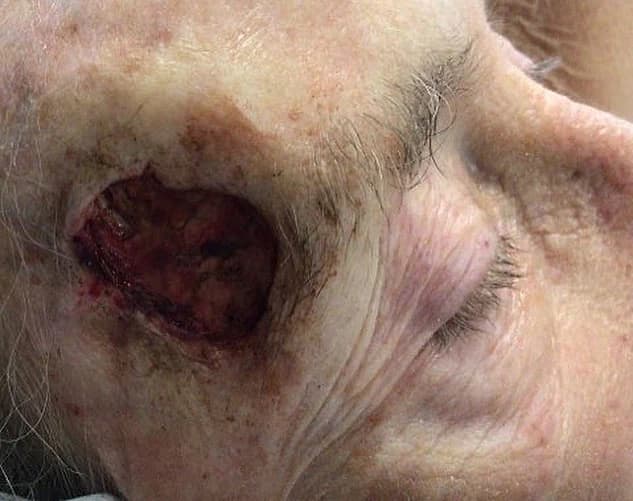
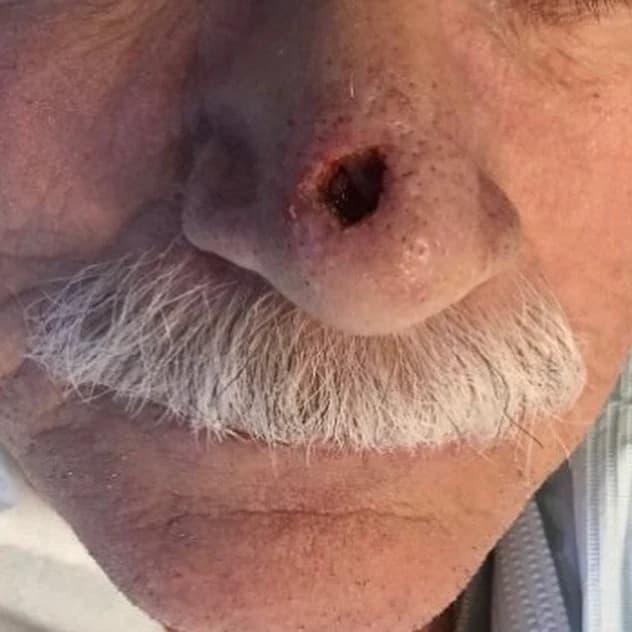
Basal cell carcinomas generally start at one particular spot and very slowly grow, out and downward in the skin. The true size and extent of skin cancers cannot be fully appreciated by simply looking at the surface of the skin. In fact, the skin cancer has usually been growing for several months beneath the skin before it surfaces and can be seen by the naked eye. Only under microscopic examinations is it possible to determine the extent of the tumor. Often times, if the tumor is very small, the biopsy may remove most of the skin cancer and the skin may appear very normal on the surface. Unfortunately, there are usually tumor cells beneath this normal appearing skin that are continuing to replicate and grow. On the other hand, some basal cell carcinomas may be quite large. Although, it is extremely unusual for basal cell carcinoma to metastasize, if left untreated these tumors will continue to grow to very large sizes and may invade bone and other tissue beneath the skin.
Squamous Cell Carcinomas
Squamous cell carcinomas, especially when they are larger than 2cm in width, can be more serious disease than basal cell carcinomas. The normal squamous cells are located in the upper and middle part of the most superficial layer of the skin, the epidermis, and tend to be more aggressive when they become cancerous. These skin cancers usually grow more quickly and are more likely to invade structures beneath the skin and may metastasize to other parts of the body. Still only approximately 5% of squamous cell carcinomas usually appear as rough scaly red spots on the skin. Unfortunately, as with basal cell carcinomas, it is very difficult to judge the size and extent of the skin cancer by simply looking at the skin surface. Skin cancers often grow under what appears to be normal skin to the naked eye.
Malignant Melanoma
This is potentially the most serious form of skin cancer. Malignant melanoma generally appears as a brown or black patch; with shades of red or purple in it. They may arise on their own or develop in a pre-existing mole. There were over 56,000 cases annually in the US. If the tumor is limited to the top layer of the skin (know as the epidermis) the cancer is called Malignant Melanoma in Situ or MMIS for short. MMIS has an excellent prognosis with near 100% survival. Since invasive melanoma is not often treated with the microscopically controlled or Mohs surgery, it will not be discussed further in this text. All information in this brochure refers to basal and squamous cell carcinomas, and malignant melanoma in situ.
Why do people get skin cancers?
Although, we do not know all of the factors that cause skin cancer, excessive exposure to sunlight is the single most important factor in the formation of skin cancer. Other forms of radiation, such as ultraviolet light therapy (including sun tanning beds) or x-ray therapy, may also contribute to the formation of skin cancers. Over time (many years), a normal basal or squamous cell may be transformed into a cancerous cell. As a cancerous cell, it will begin to divide more rapidly than the body is used to, and a collection of that type of cell will form. This collection of cells is known as a tumor.
Skin cancers occur more frequently in people with fair complexions (blonde hair, blue eyes), individuals of Celtic decent and those exposed to more than average amounts of sun. Darker skinned individuals, who have more pigment to shield their skin from the harmful rays of the sun rarely form skin cancers. Although the effects of the sun’s rays are cumulative, there is usually many years separating the significant exposure to the sun and the formation of skin cancer. The majority of sun exposure generally occurs during the teenage years and early twenties, while most skin cancers do not begin to occur until the forties.
The best way to protect yourself from future skin cancers is to make a serious attempt at reducing the amount of sun light you are exposed to. You should always apply a sun screen with a Sun Protection Factor (SPF) of 15 or greater whenever you will be exposed to the sun, wear a broad rimmed hat, and limit you exposure to the sun during the mid-day (10am to 3pm), when the sun’s rays are the most intense. You do not have to change your entire lifestyle, just alter it intelligently and take the proper precautions. An unfortunate statistic is that 50% of people who develop a basal cell carcinoma will develop another one within 5 years.
Treatment of Skin Cancers
Skin cancer may be effectively treated by several methods. The most common ways include electrodessication and curettage (scraping and burning), cryotherapy (freezing), radiation therapy (X-rays), traditional excisional surgery and Mohs’ or microscopically controlled surgery. The treatment of each skin cancer must be individualized, taking into account the type, size and location of the cancer, the patient’s age and whether or not the cancer has been treated before. Of all forms of treatments for skin cancers, Mohs microscopically controlled surgery has the highest cure rate.