Tick Season: How to Protect Your Skin This Spring
Ticks become active as temperatures rise. Learn how to prevent tick bites, remove an attached tick safely, and recognize symptoms that need medical evaluation.

Published March 19, 2026
As temperatures rise across Northern Virginia, ticks become active again, often beginning in early spring. These small parasites are commonly found in wooded areas, tall grass, leaf litter, gardens, and suburban backyards.
Some tick bites can transmit Lyme disease and other tick-borne illnesses. Prevention, prompt removal, and careful monitoring are important throughout spring and summer.
Why Tick Activity Increases in Spring
Ticks become active when environmental conditions allow them to seek hosts. Several factors increase the chance of exposure:
- Warmer temperatures: Early spring warmth signals ticks to begin feeding.
- More outdoor activity: Hiking, gardening, yard work, and sports bring people closer to tick habitats.
- Tall grass and leaf litter: Ticks wait on vegetation and attach to passing people or animals.
- Wildlife and pets: Deer, rodents, dogs, and cats can carry ticks into residential areas.
How to Prevent Tick Bites
Use an Effective Repellent
Apply an EPA-registered insect repellent containing an ingredient such as DEET, picaridin, or IR3535 to exposed skin according to the product label. Permethrin-based products may be used on clothing and gear when their instructions specifically allow it; do not apply permethrin products intended for fabrics directly to skin.
Dress for Protection
Wear long sleeves, long pants, socks, and closed shoes in wooded or grassy areas. Tucking pants into socks can make it more difficult for ticks to reach the skin. Light-colored clothing may make crawling ticks easier to spot.
Perform a Full Tick Check
After outdoor activity, inspect your clothing, gear, and body. Pay particular attention to hidden or warm areas, including:
- Behind the knees
- Under the arms
- Around the waist
- In and around the ears
- Along the scalp and hairline
- Between the legs
Shower After Being Outdoors
Showering soon after returning indoors can help wash away unattached ticks and creates an opportunity to check the skin carefully.
Protect Your Pets
Dogs and cats can carry ticks into the home. Ask your veterinarian about appropriate tick-prevention products and check pets regularly after they have been outdoors.
How to Remove an Attached Tick
- Use clean, fine-tipped tweezers.
- Grasp the tick as close to the skin's surface as possible.
- Pull upward with steady, even pressure. Do not twist or jerk the tick.
- After removal, clean the bite area and your hands with soap and water or rubbing alcohol.
Avoid crushing the tick with your fingers or using petroleum jelly, heat, or nail polish to make it detach. Note when the tick was found and, if practical, take a clear photo for reference.
Symptoms to Watch for After a Tick Bite
Monitor the bite area and your overall health in the days and weeks after exposure. Seek medical evaluation if you develop:
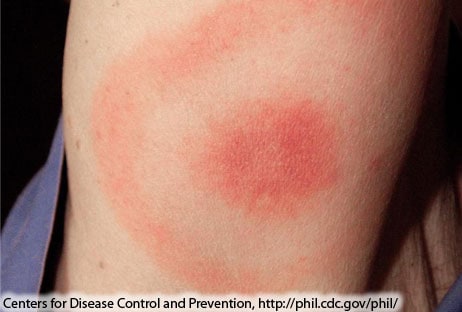
- An expanding red rash, including a bull's-eye-shaped rash
- Fever, chills, fatigue, or body aches
- Headache, neck stiffness, or joint pain
- Increasing redness, warmth, swelling, drainage, or pain at the bite site
Not every Lyme disease rash looks like a classic bull's-eye, and some people do not notice a rash. Early diagnosis and treatment are important when a tick-borne illness is suspected.
When a Dermatologist Can Help
A dermatologist can evaluate a persistent or unusual skin reaction, help determine whether a lesion may be related to a tick bite, and treat inflammation or infection at the bite site. If your symptoms suggest a systemic tick-borne illness, you may also need prompt evaluation by your primary care clinician or an urgent care provider.
Learn more about early skin signs of Lyme disease and our care for rashes. If you have a concerning bite or skin reaction, request a dermatology appointment at our McLean or Woodbridge office.